
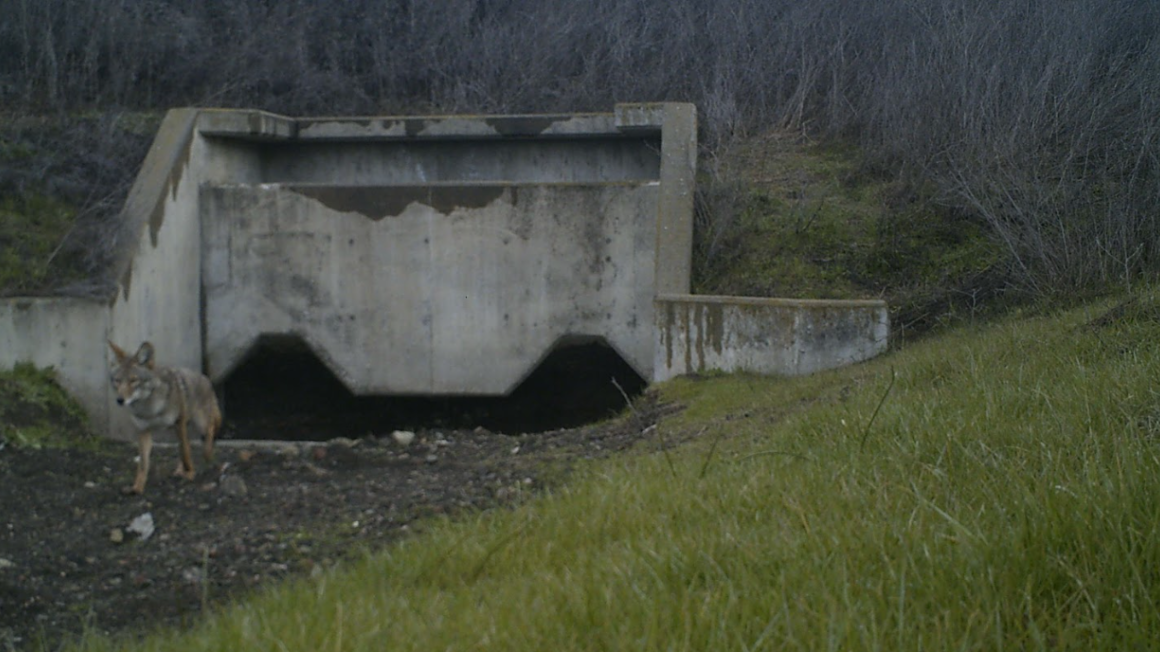
Multi-year effort with Peninsula Open Space Trust will create road, highway and rail crossings for wildlife in Coyote Valley, improving road safety and supporting the region’s climate resilience
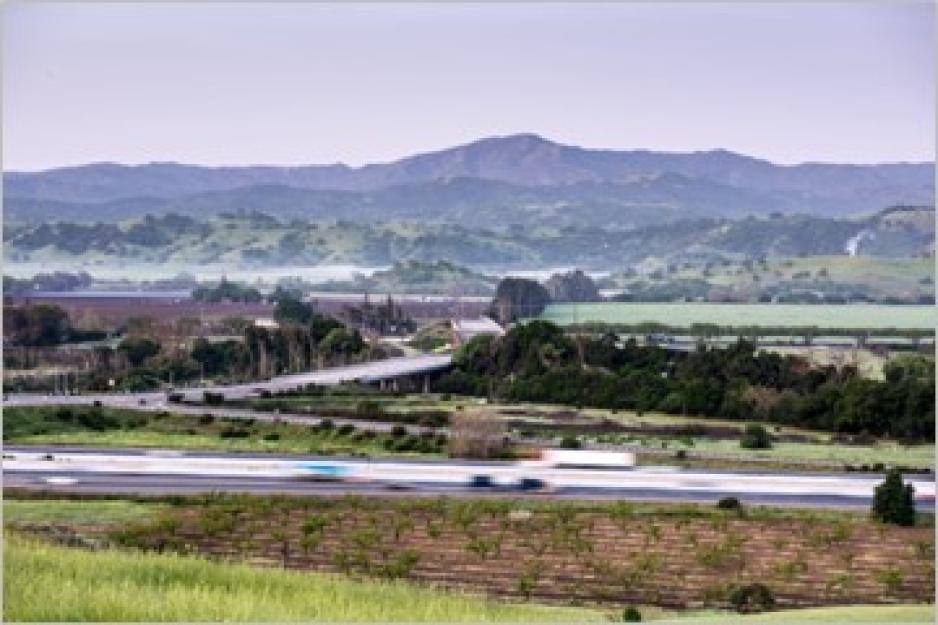
Work can soon begin to design a multi-year project for creating wildlife crossing structures across U.S. Highway 101, Monterey Road and rail lines in South Santa Clara County. The Santa Clara Valley Transportation Authority (VTA) board approved a contract at its regular board meeting on January 8, 2026, for HDR Engineering to begin initial stages of design and planning for the U.S. 101/Monterey Road Wildlife Crossings Project.
“As Santa Clara County’s congestion management agency, VTA works to keep our transportation network safe and efficient,” said Carolyn
Escalating traffic and wildlife-vehicle collisions have created safety hazards along both Monterey Road and U.S. Highway 101 between San José and Gilroy. According to a 2021 UC Davis Road Ecology Center study, the one-mile stretch of U.S. 101 that crosses Coyote Creek is in the top 5% of annual wildlife-vehicle collision costs per mile in California. Providing wildlife crossing options that keep the animals away from vehicular traffic can reduce the risks to both wildlife and humans significantly.
Peninsula Open Space Trust (POST), which is driving the strategy and funding for the project, identified the Fisher Creek and Monterey Road intersection as the first location to create a wildlife crossing and related fencing. HDR Engineering will initiate design and planning work, with construction to begin as early as 2028, pending funding availability.
Over the past decade, POST, the City of San José and Santa Clara Valley Open Space Authority have worked to purchase and protect open space in Coyote Valley for many environmental, social and economic benefits, including its role as a vital regional wildlife linkage.
Coyote Valley is a critical landscape for Santa Clara County residents and for local wildlife who need to move between the coastal and inland mountain ranges to find food, shelter and mates,” said Gordon Clark, president of POST. “Thanks to VTA as the project’s implementation partner and to significant funding from the California Wildlife Conservation Board, we are advancing our long-term vision for a safely connected landscape.”
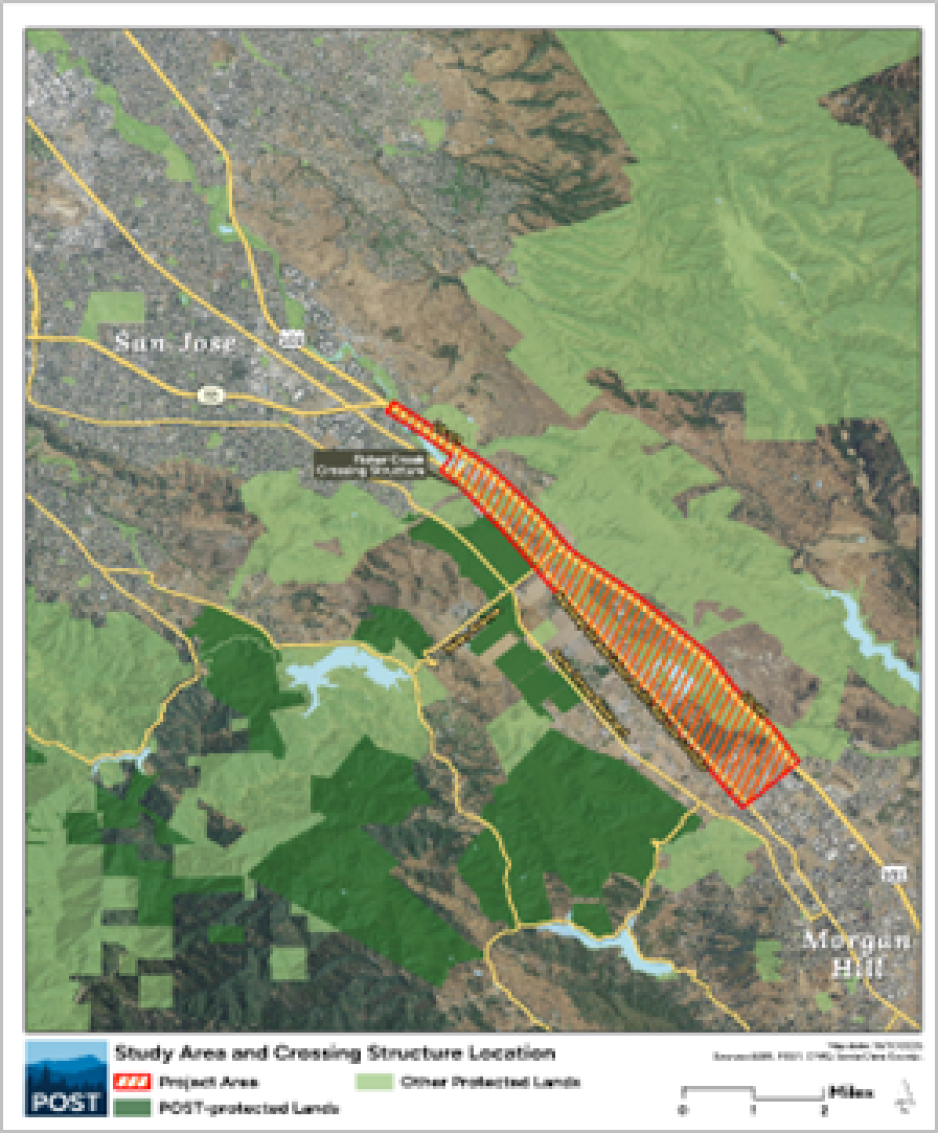
Coyote Valley: A Wildlife Corridor
Coyote Valley, which stretches south from San José to Gilroy, has been identified in multiple scientific studies as a critical wildlife movement corridor and thus a conservation priority for the region. It is a vital connection point for over a million acres of conserved lands across the region, representing more than $3.1 billion in public and private investment. Coyote Valley is also a key area for California’s 30x30 initiative, which was adopted in 2023 and aims to conserve 30% of California’s lands and coastal waters by 2030.
Coyote Valley connects core habitat for a wide variety of species, including mountain lions, bobcats and American badgers. These species and many others cross Coyote Valley to find food, shelter and mates. In a 2017 study, local researchers tracked bobcats to understand their movements and identify particularly hazardous crossing points, such as Monterey Road. Coyote Valley is also home to Coyote Creek, Fisher Creek and Laguna Seca, which wildlife use as protected corridors for movement; restoring those waterways has been another conservation priority for ensuring their continued function as safe passage and habitat for wildlife.
“There are currently more than 1,500 wildlife crossing structures in 43 states, including California,” said Dr. Jennifer Norris, director of the California Wildlife Conservation Board, which provided significant funding for the design and planning phase of the U.S. 101/Monterey Road project. “Wildlife don’t observe county or municipal boundaries, of course, but they all-too-regularly encounter the mortal threats that our transportation corridors pose. So, we must create safe passages - for their survival and ours. Restoring a functional wildlife linkage in Coyote Valley will help to reduce the regional impacts of a changing climate, preserve the biodiversity of the greater Bay Area and prevent the local extinction of these species.”
A New Partnership: POST and VTA
The U.S. 101/Monterey Road project marks the first time these two organizations have partnered directly. The two organizations came together through VTA’s work on the Midpeninsula Regional Open Space District’s planned wildlife and trail crossings on Highway 17, demonstrating how the crossings POST had been envisioning could move forward.
On the Coyote Valley project, VTA is responsible for managing and delivering the built crossings, as well as coordinating agreements with other entities involved, including City of San José, CalTrans, Union Pacific Railway and others.
Over the past decade, POST has undertaken feasibility studies, conceptual planning and design work for wildlife crossings and associated improvements at key crossing points along Monterey Road, the Union Pacific Rail Line and U.S. Highway 101. Currently, POST is completing a feasibility study of U.S. 101 to identify wildlife crossings and/or other enhancements needed to ensure safe passage for wildlife across the highway. The recommendations from that study, anticipated in early 2026, will be integrated into this project.
Subsequent phases of the U.S. 101/Monterey Road Wildlife Crossings Project will depend on available funding, capacity, adaptive management and monitoring of results. All three potential wildlife crossing locations identified in POST’s feasibility studies are critically important for wildlife connectivity and provide unique and complementary qualities to serve the project’s eight focal species: mountain lion, American badger, California ground squirrel, black-tailed deer, northwestern pond turtle, California tiger salamander, California red-legged frog and bobcat.