Transportation and Public Life - Home Page
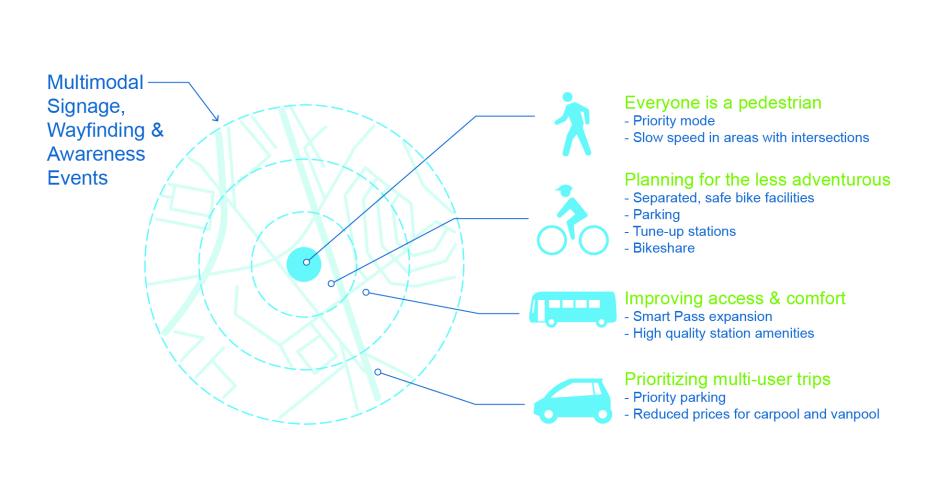
Communities designed to enable people to accomplish daily activities in equal comfort through multiple transit modes lead to healthy, vibrant public life. Concentrating services, activities, and...
Communities designed to enable people to accomplish daily activities in equal comfort through multiple transit modes lead to healthy, vibrant public life. Concentrating services, activities, and...
As the Congestion Management Agency (CMA) and transit agency for Santa Clara County, VTA plays an active role in integrating land use and transportation planning.
VTA’s Land Use and Transportation...
Originally invented as a tool to separate housing from hazardous industrial activities, zoning serves as the primary tool that local jurisdictions use to regulate land uses. However, traditional...
Even today, street design standards are based first on accommodating efficient, free, and rapid motor vehicle flow. Decisions about geometry and operations of a street typically begin with reducing...
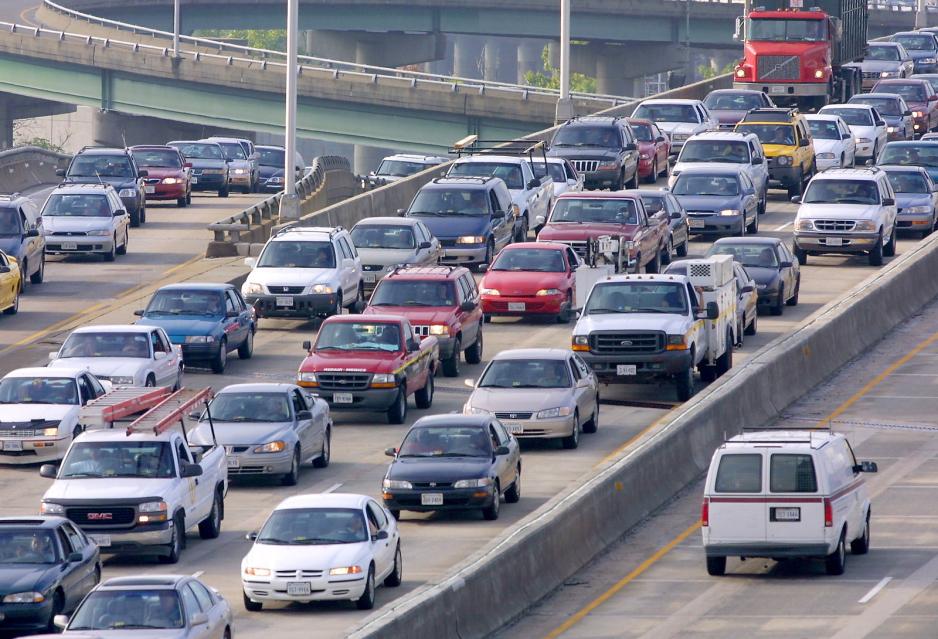
From the 1970s through the late 2010s, transportation analysis of the impact of development projects and land use plans focused heavily on automobile Level of Service (LOS), a performance measure...
Traditional efforts to meet increasing travel demand are typically based on a supply-oriented approach largely supported by the lack of physical and fiscal limitations on where, when, and how...
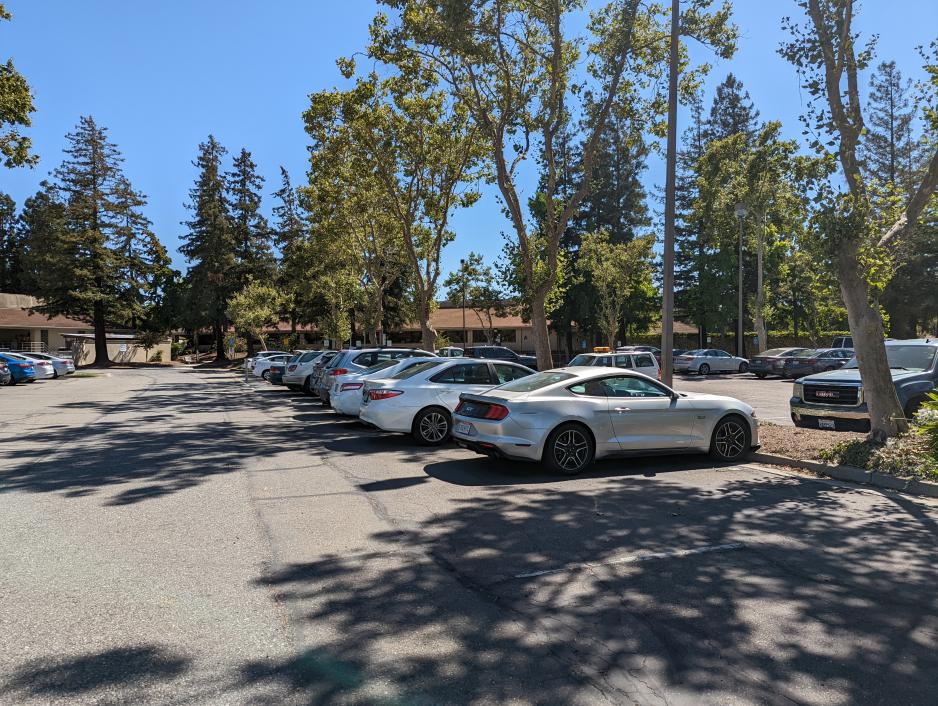
Rethinking Parking Requirements: There are new ways to consider how much vehicle parking a city, development, or region should have. Many parking zoning codes err on the side of caution to...
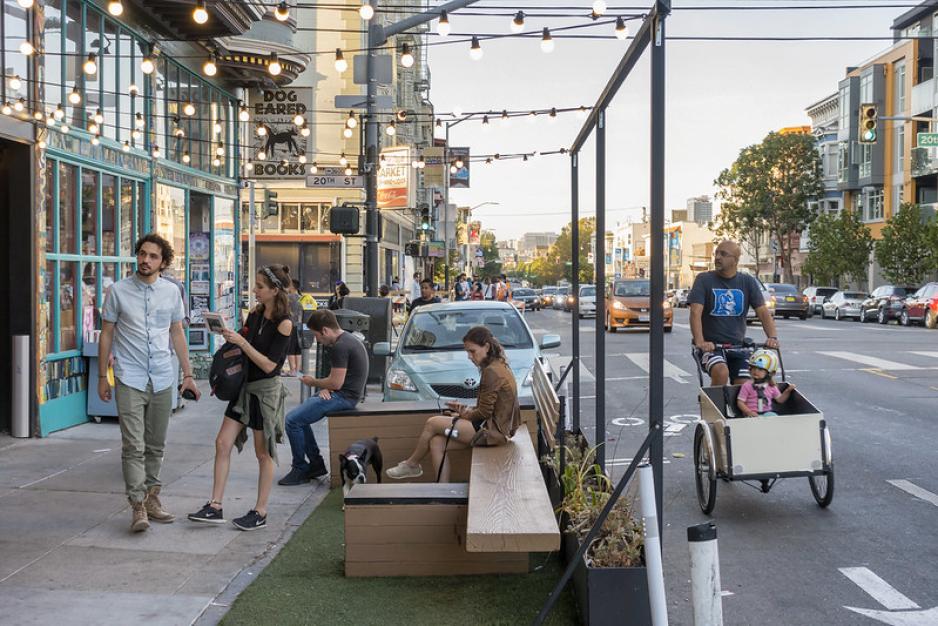
The efficient use of parking facilities can provide numerous benefits related to site design, trip generation, development cost, and building design and function. When implemented effectively...
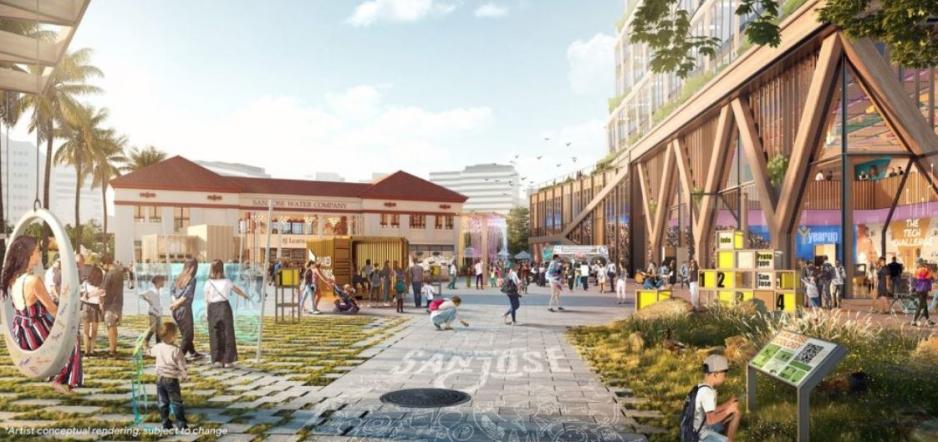
Current project feasibility challenges necessitate clear entitlement paths to engage a range of private and non-profit partners and successfully deliver healthy, connected, prosperous, and...
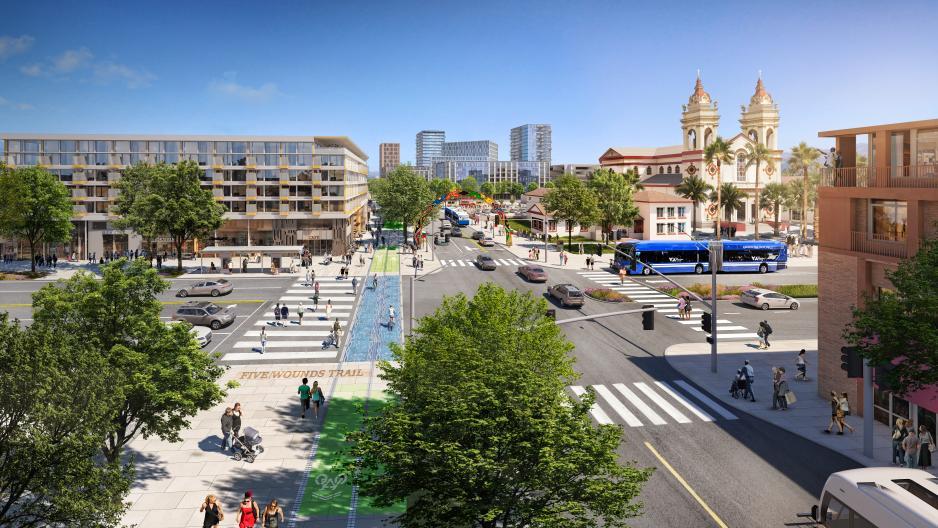
The design of new development is often driven by the physical planning requirements and outlined in zoning codes. Setbacks, height and bulk limits, and building density are factors that directly...
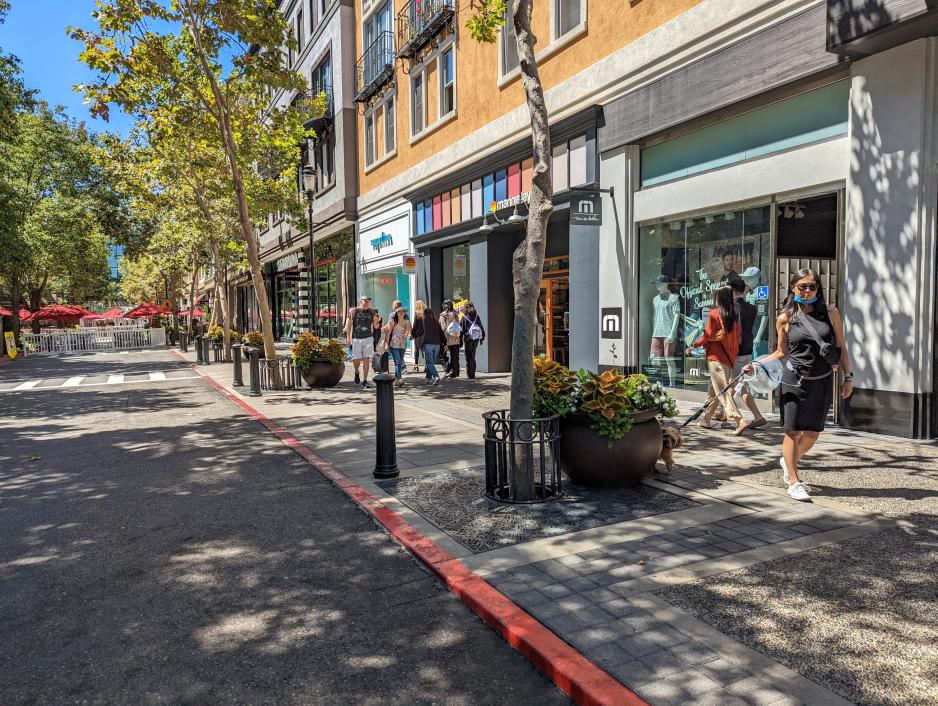
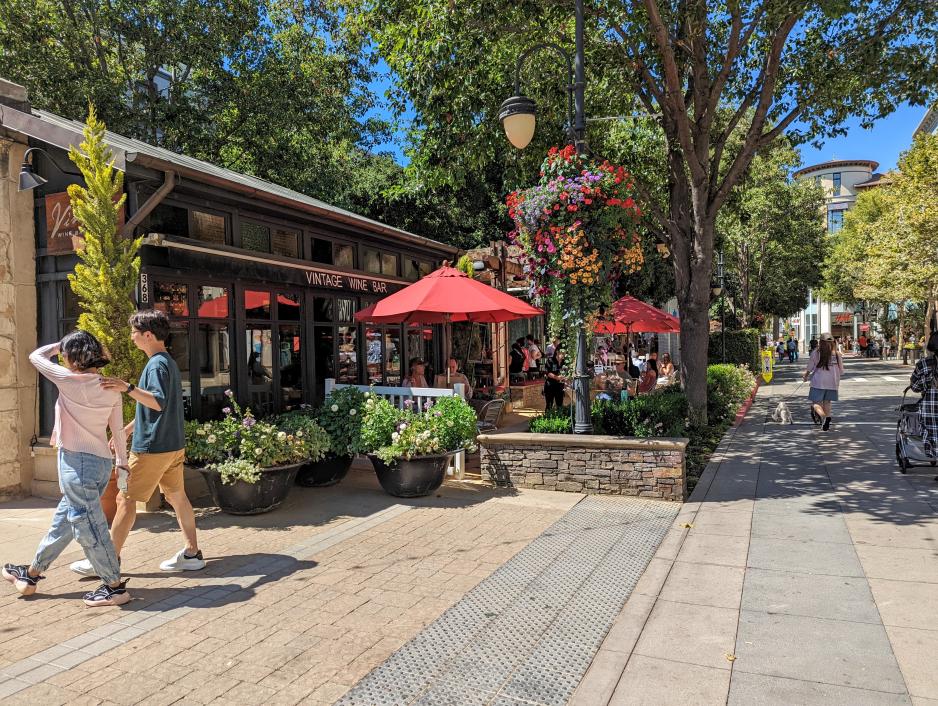
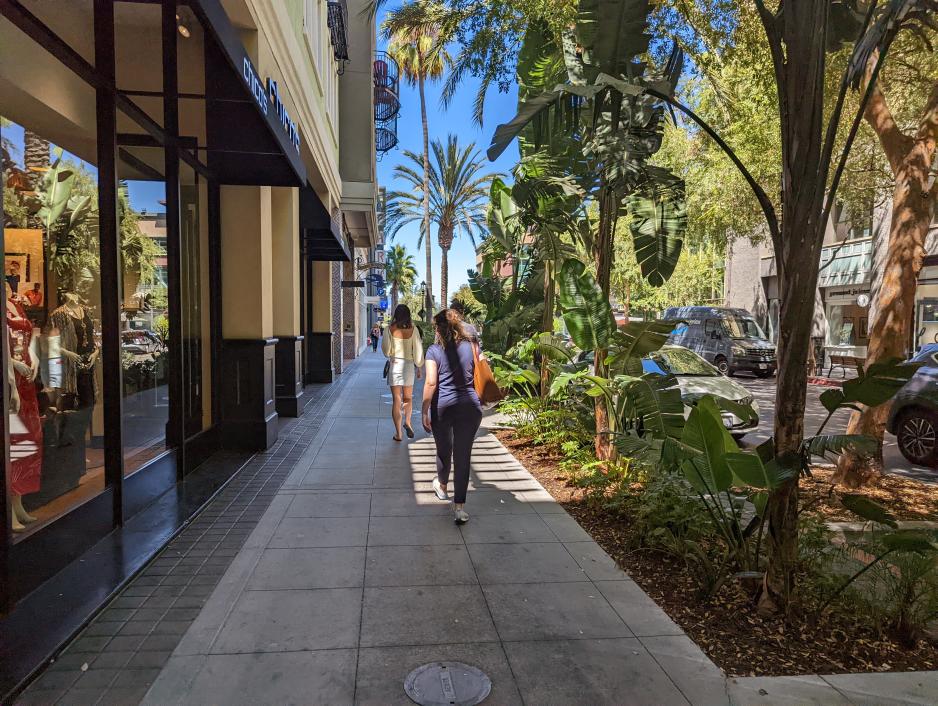
The integration of retail and other commercial uses within transit-oriented development (TOD) is a key contributing factor to placemaking, or the creation of vibrant, livable public spaces. Providing...
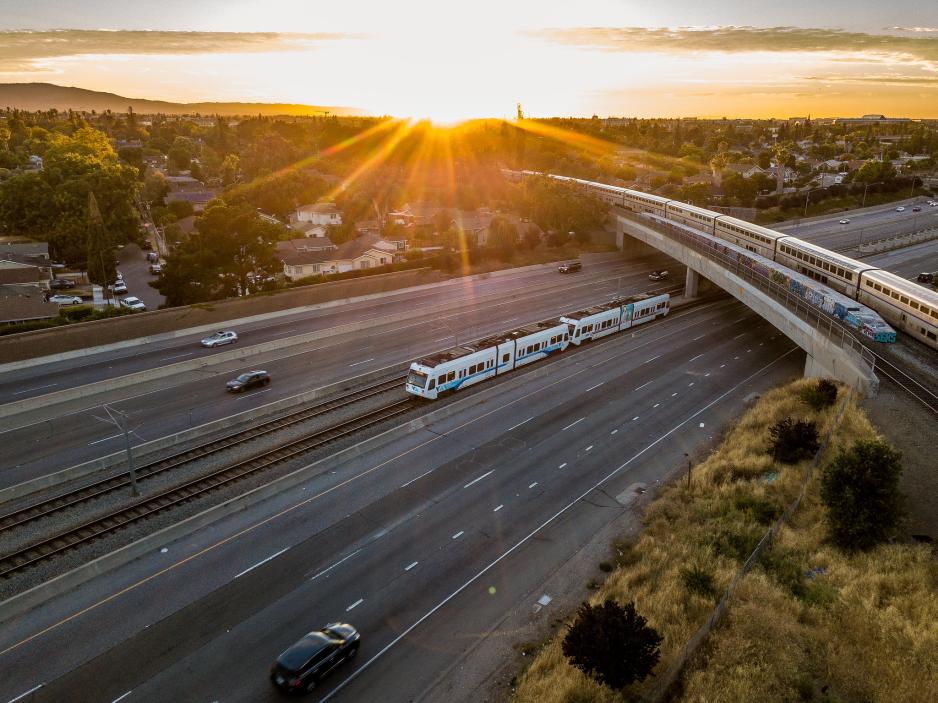
Light Rail Transit—or LRT—has shaped cities as they developed concentrations of activities and upward growth by providing a clean and efficient mode of transportation for large concentrations of...
Metropolitan Transportation Commission. “Priority Development Areas (PDAs).” https://mtc.ca.gov/our-work/plans-projects/focused-growth-livable-communities/priority-development-areas
Seattl...
The VTA Strategic Capital Investment Plan (SCIP) is VTA’s mid-to long-term capital plan. It is a framework and methodology to provide the VTA Board and administration with critical information needed...
The Valley Transportation Plan (VTP) is the long-term comprehensive multimodal plan developed by VTA that provides policies and programs for transportation in the Santa Clara Valley including roadways...
The Short-Range Transit Plan (SRTP) is a document produced by transit agencies every four years at the request of the Metropolitan Transportation Commission (MTC) that projects the short term future...
The Transit Asset Management (TAM) Program is a systematic process for operating, maintaining, and improving public transportation capital assets effectively through the life cycle of those assets...
The Community Design and Transportation Manual (CDT) is designed to inspire new thinking about the form and function of growth, broaden and strengthen the range of transportation choices, and make the...
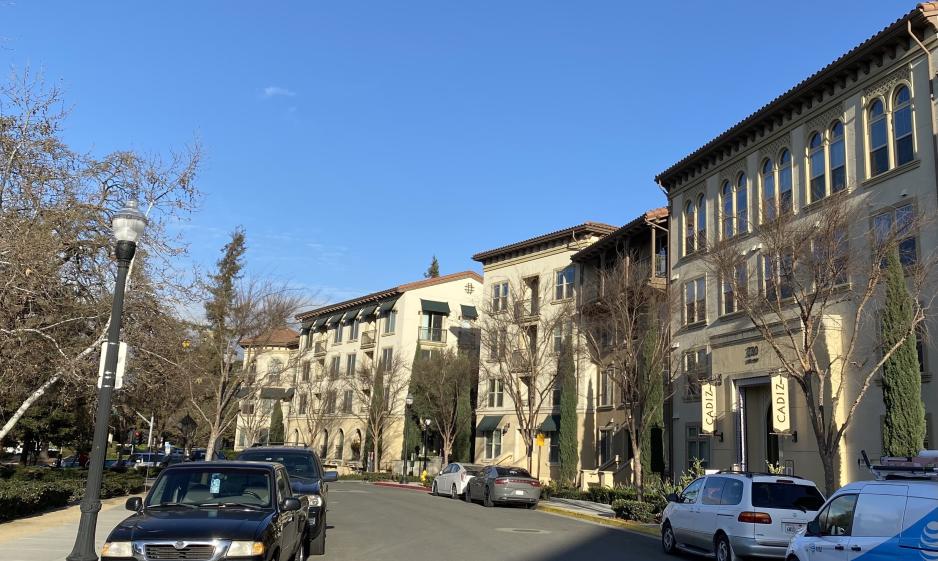
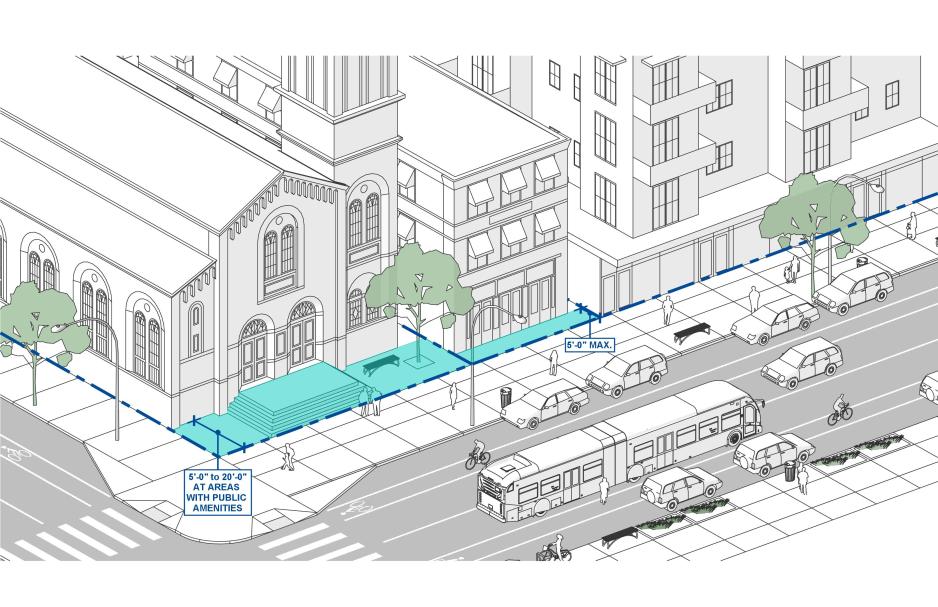
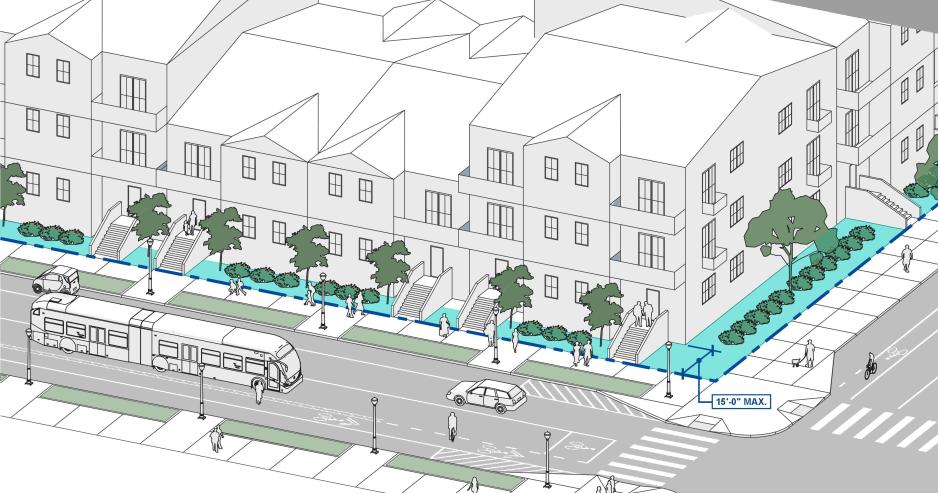
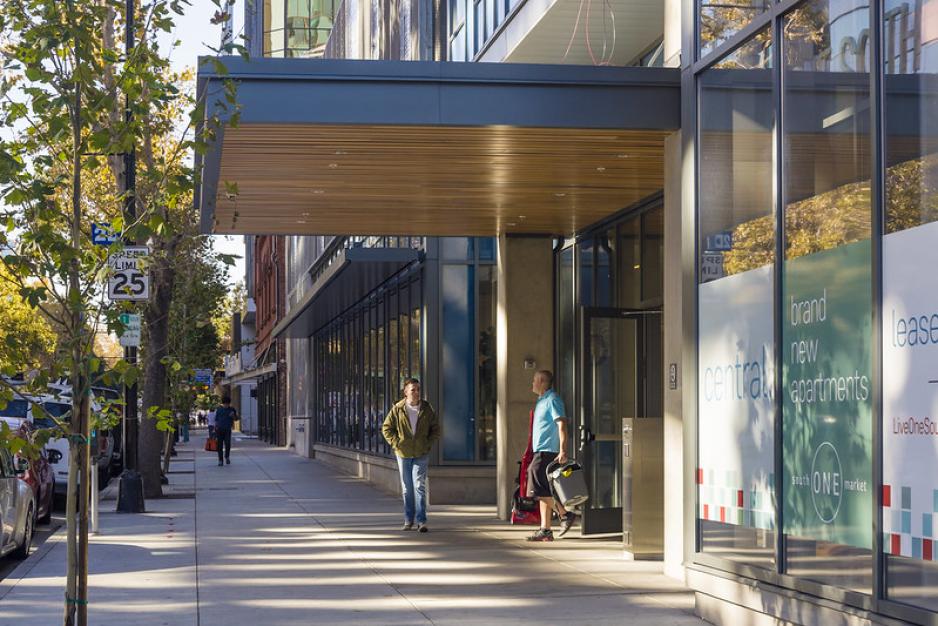
Place building entrances to support pedestrian access and establish pedestrian connections between buildings to surrounding streets, transit stops, and bike and auto parking areas. Place...
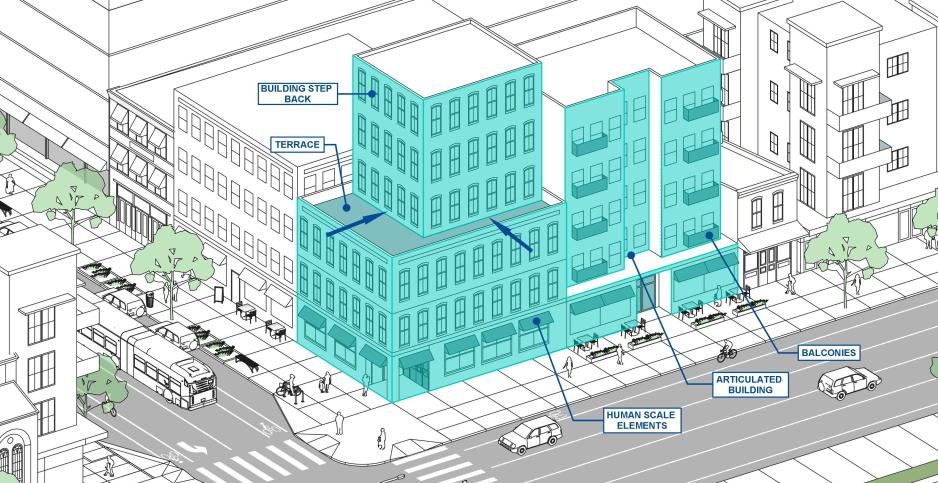
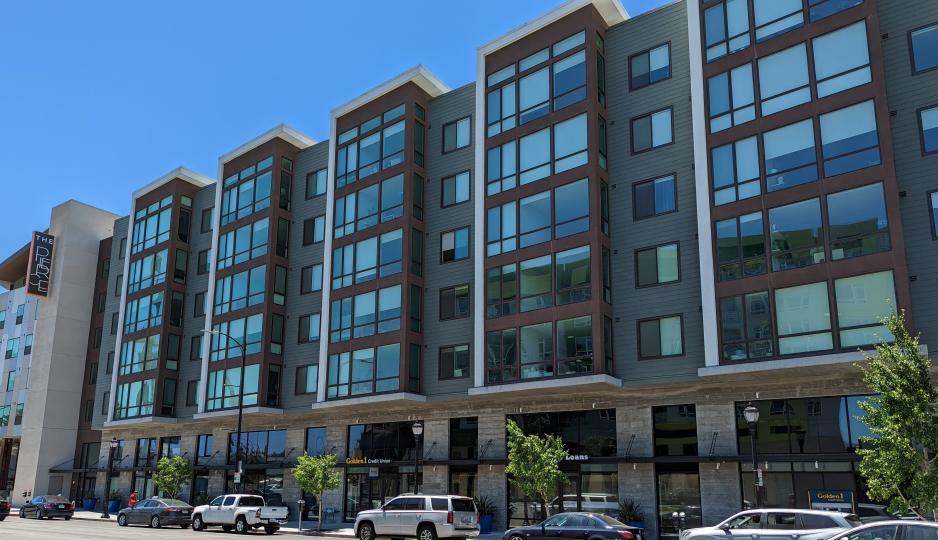
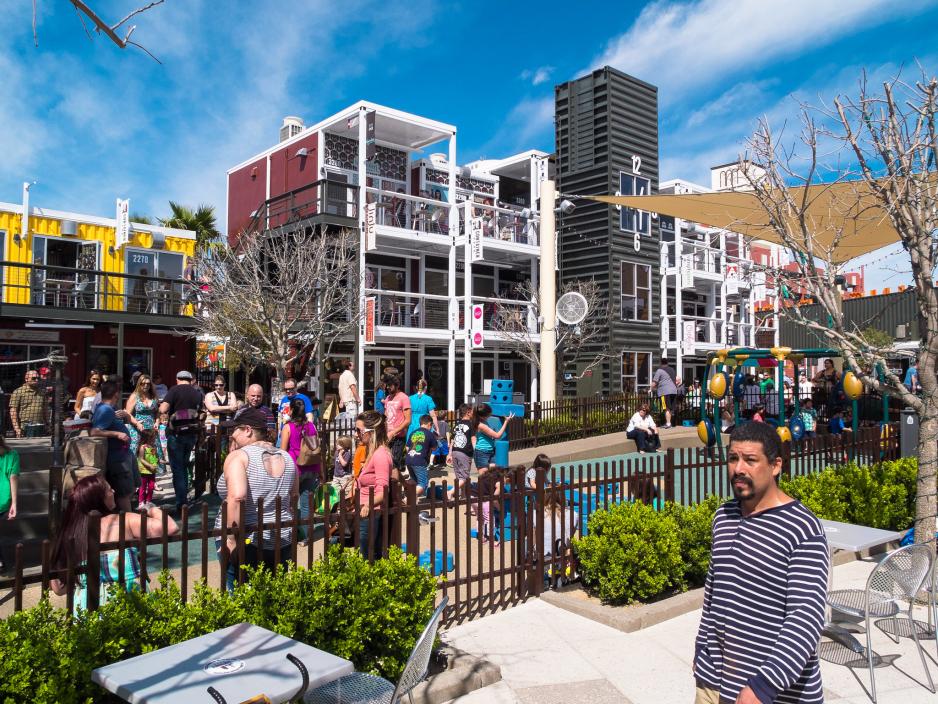
Place windows and doors to invite and animate. Placement of a building’s entrance(s) is critical to the building’s relationship to the street.
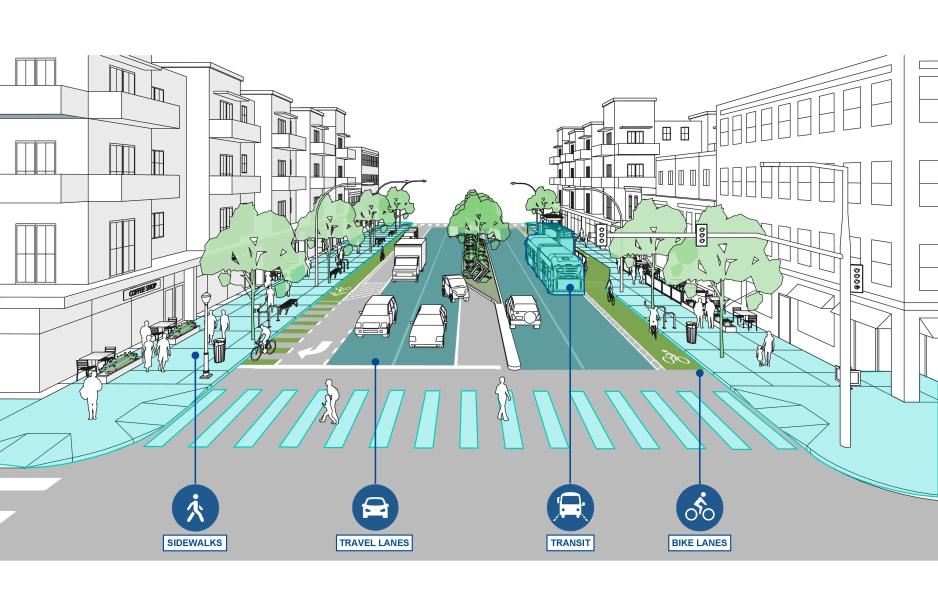
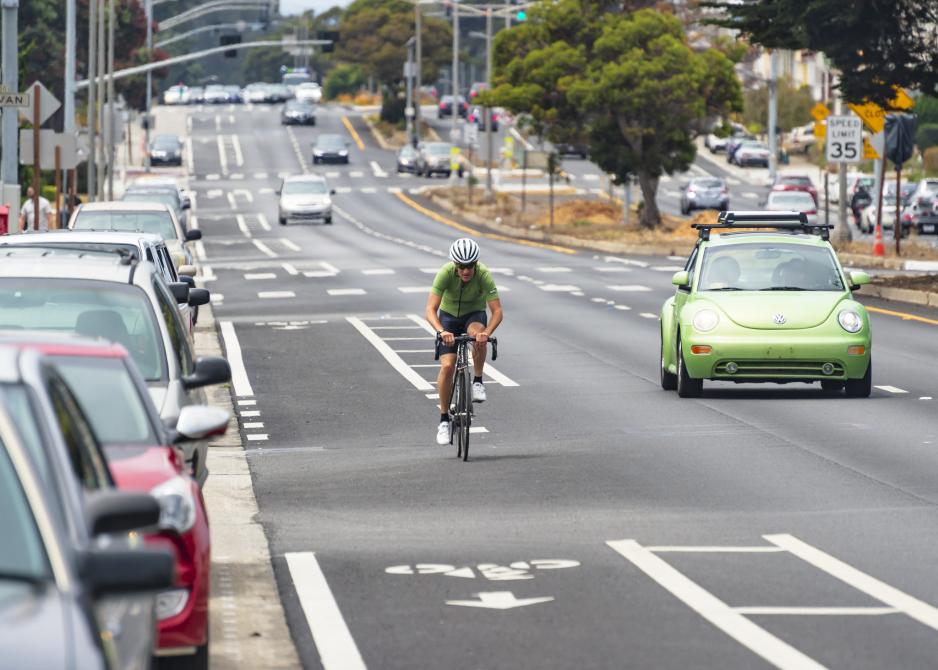
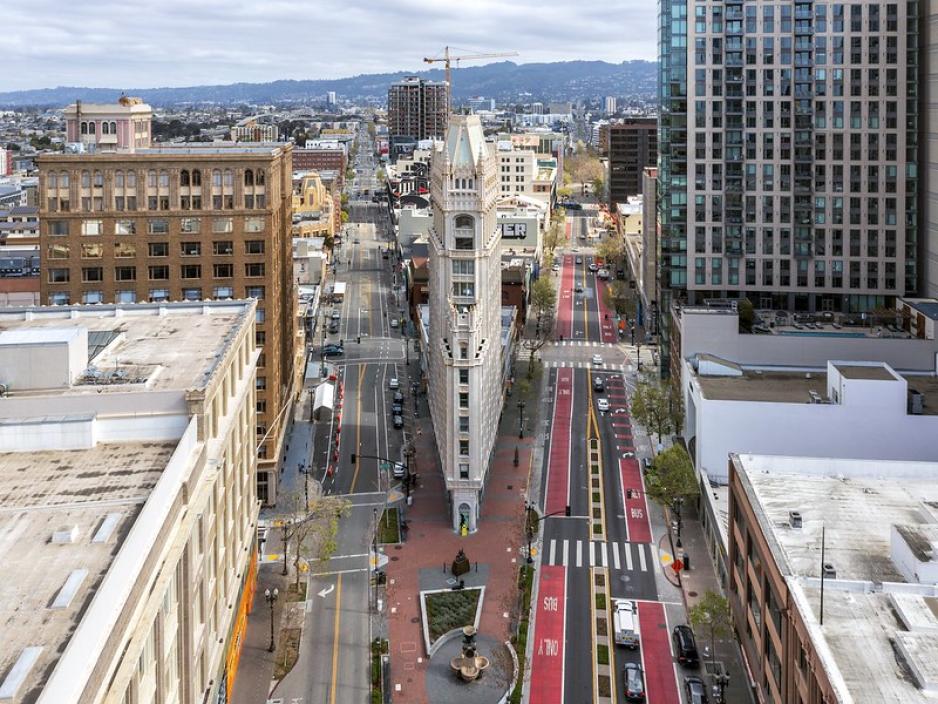
Vary cross-sections along the length of the corridor to support adjoining uses. In response to heavy pedestrian and transit use in busy core areas, traffic lanes may be narrowed, and sidewalks...
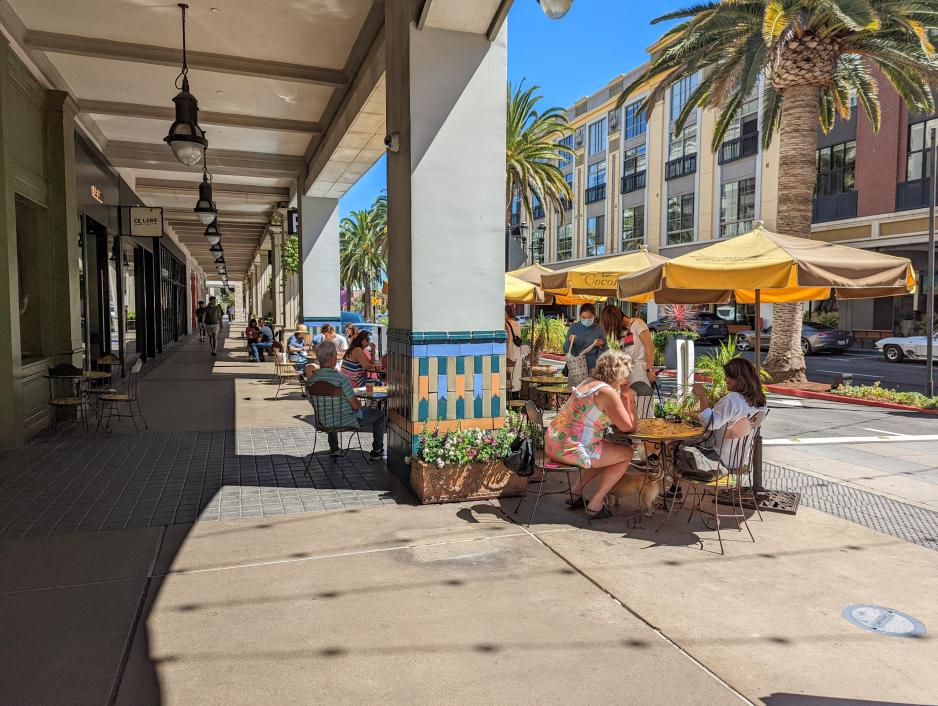
Seattle, WA, USA - University District Urban Design Guidelines
The Seattle Office of Planning and Community Development undertook a four-year strategic partnership between the community, city...