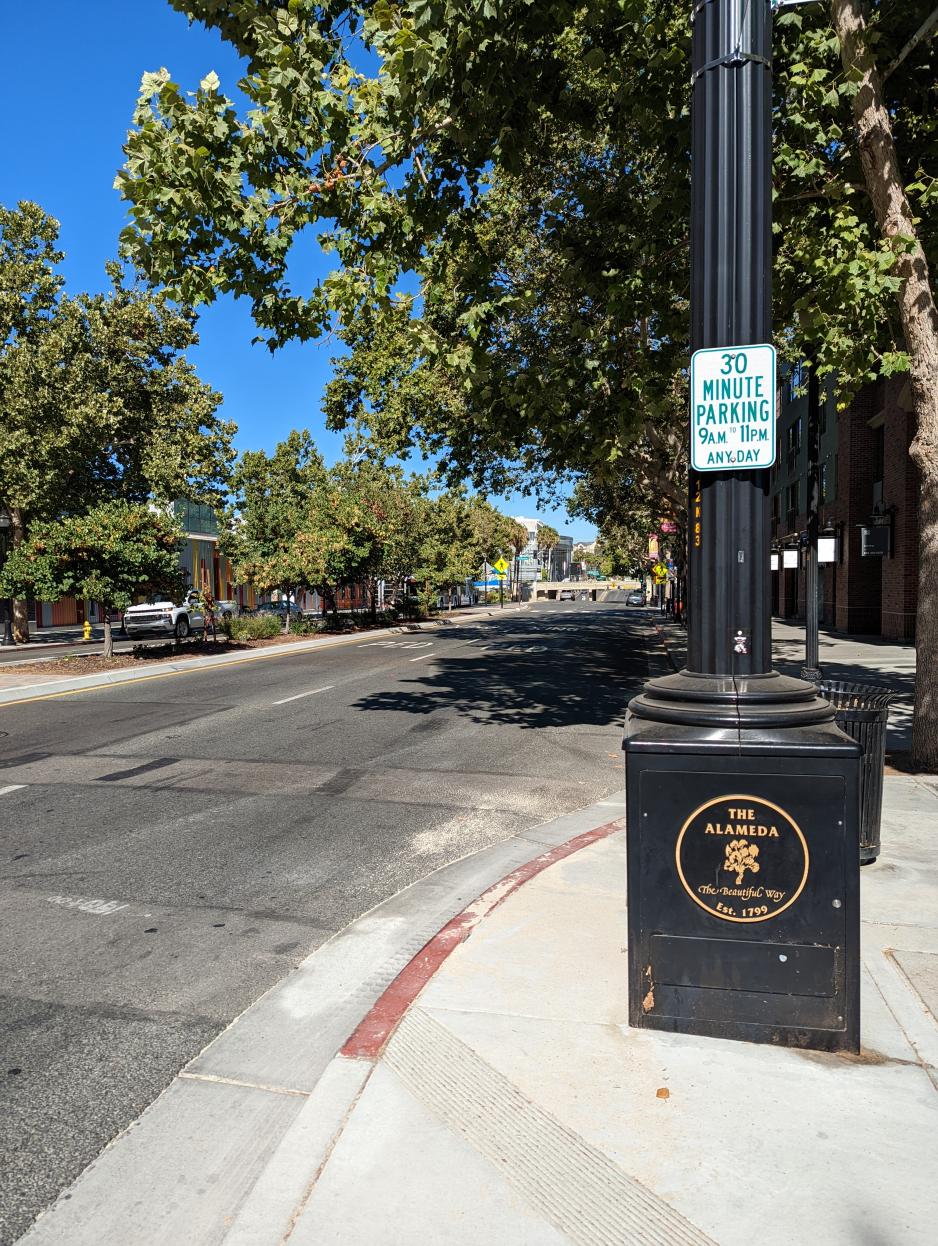
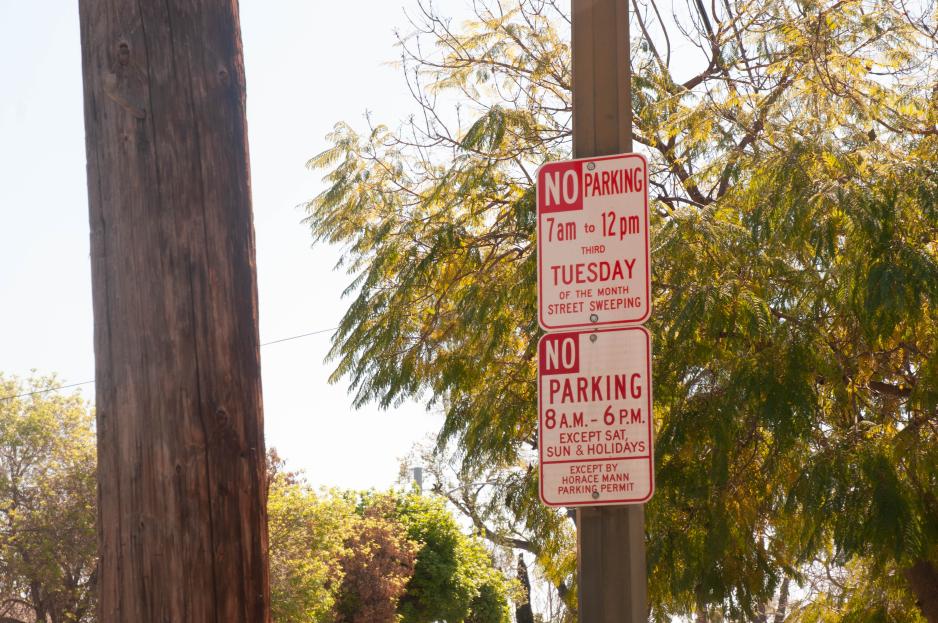
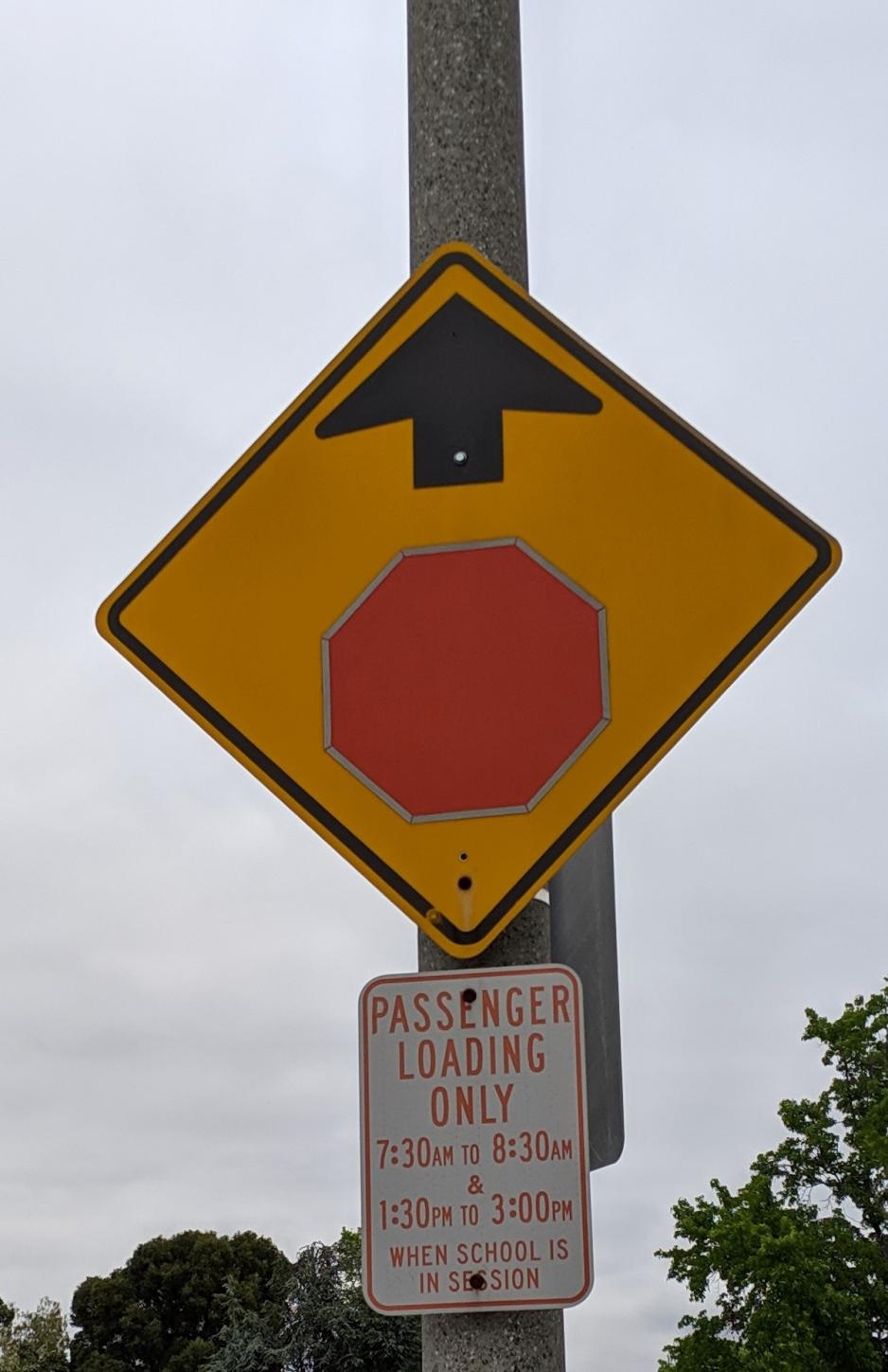
Vehicle Parking Duration Limits
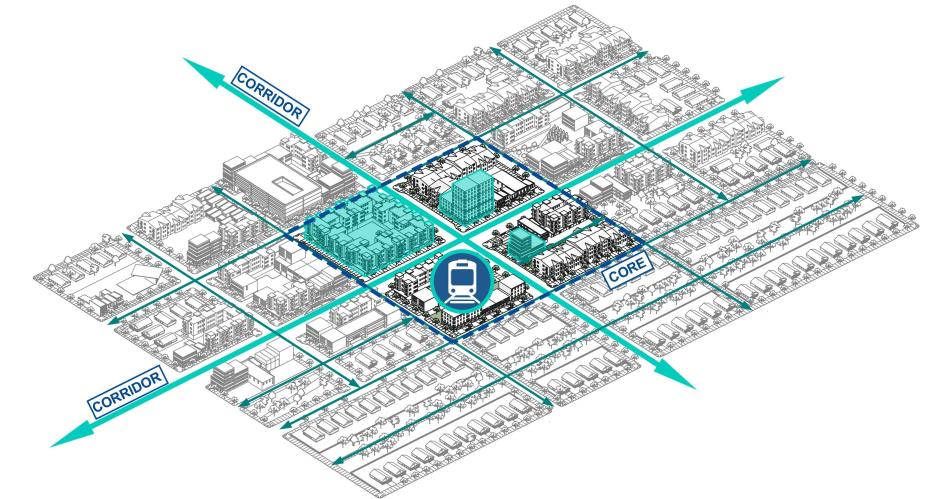
Provide mid-block pedestrian connections where blocks exceed three hundred and twenty-five (325) feet (100m) in length to facilitate pedestrian connectivity and increased access to transit. It is...

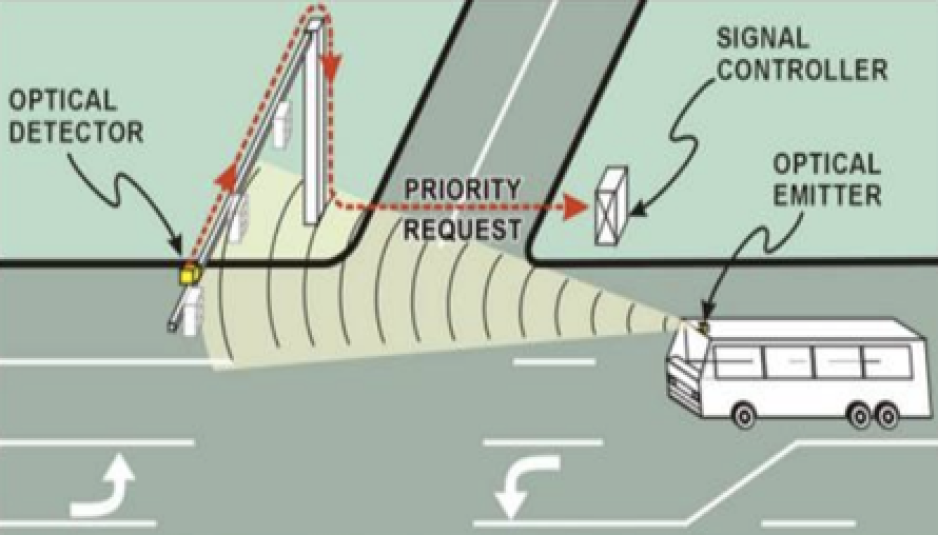
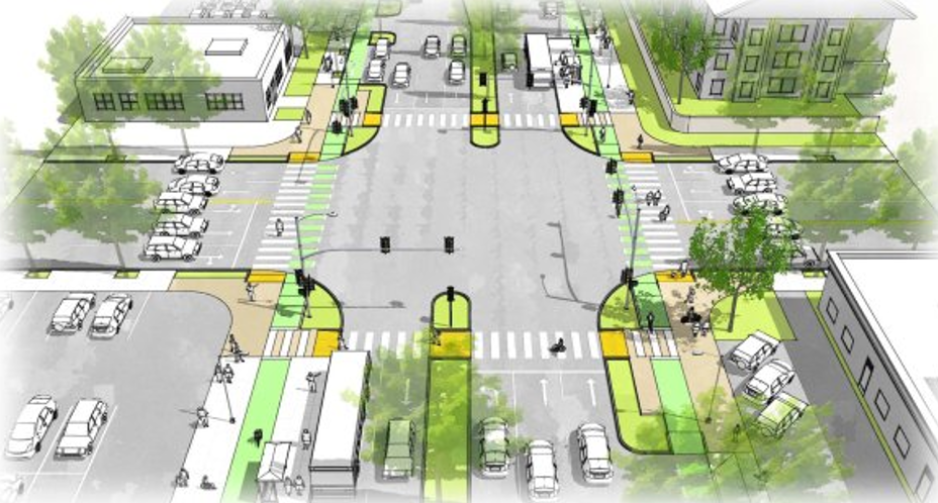
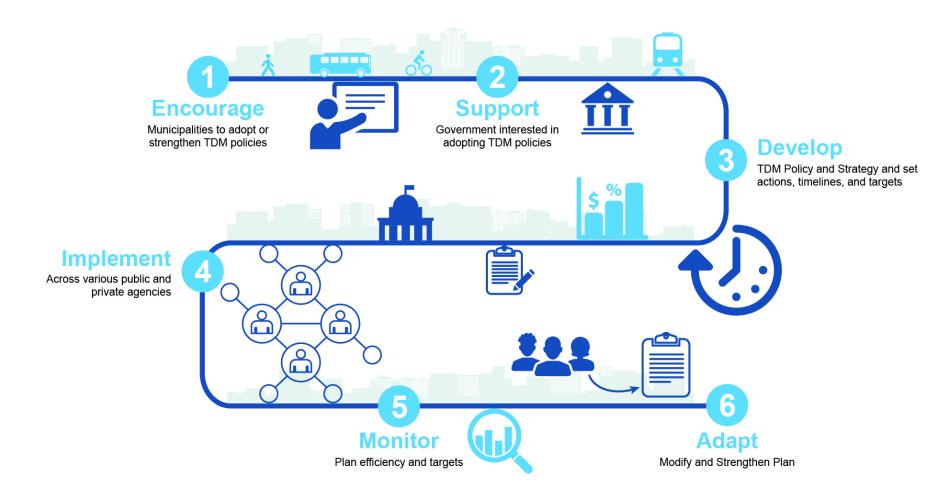
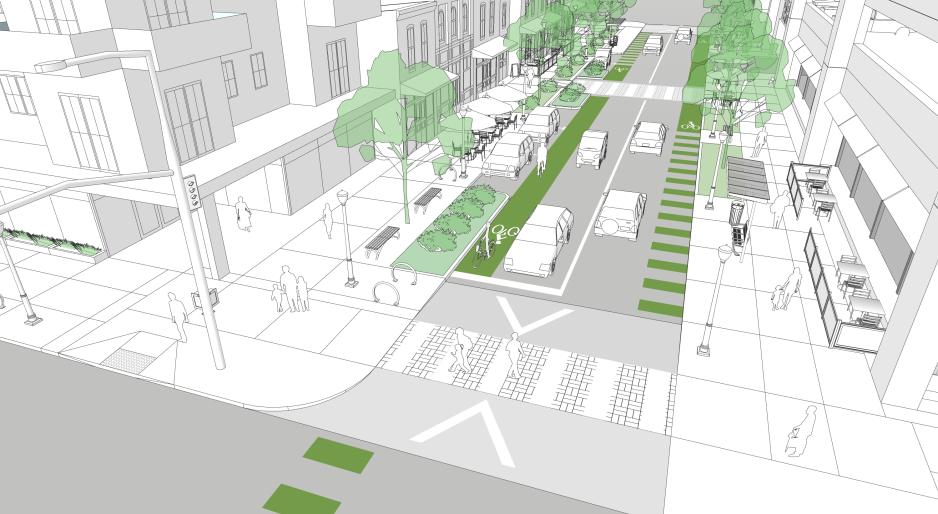
Higher priority design elements and traffic management features on main streets support a thriving pedestrian environment.
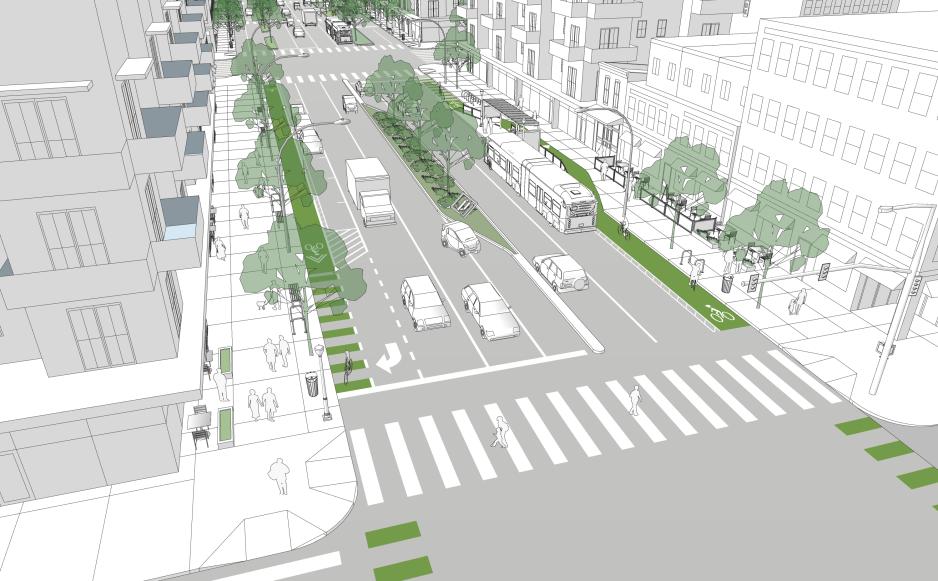
Higher priority design elements and traffic management features on commercial streets need to balance convenient traffic movement with a high-quality pedestrian experience.
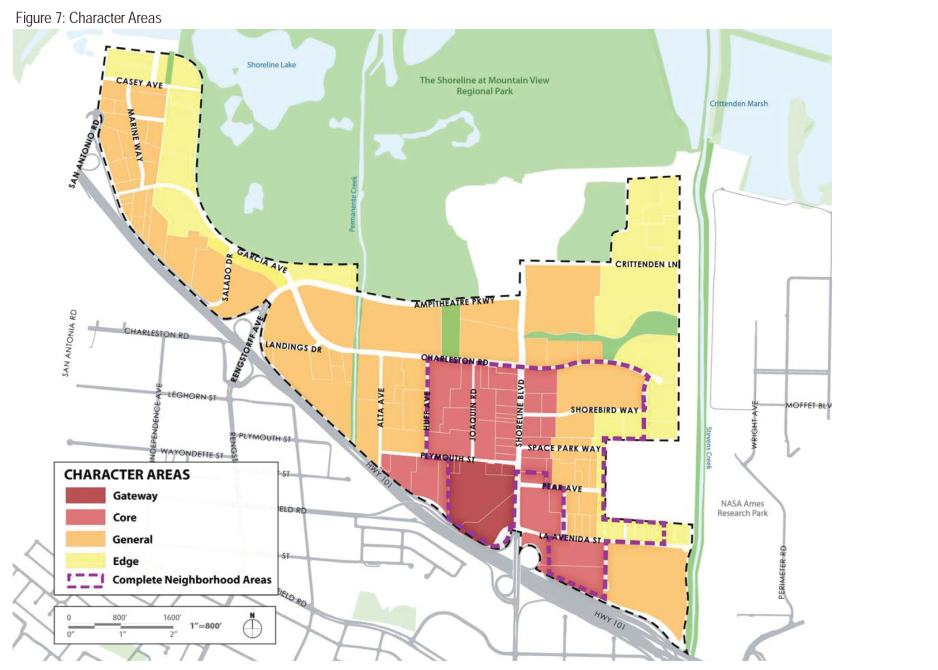

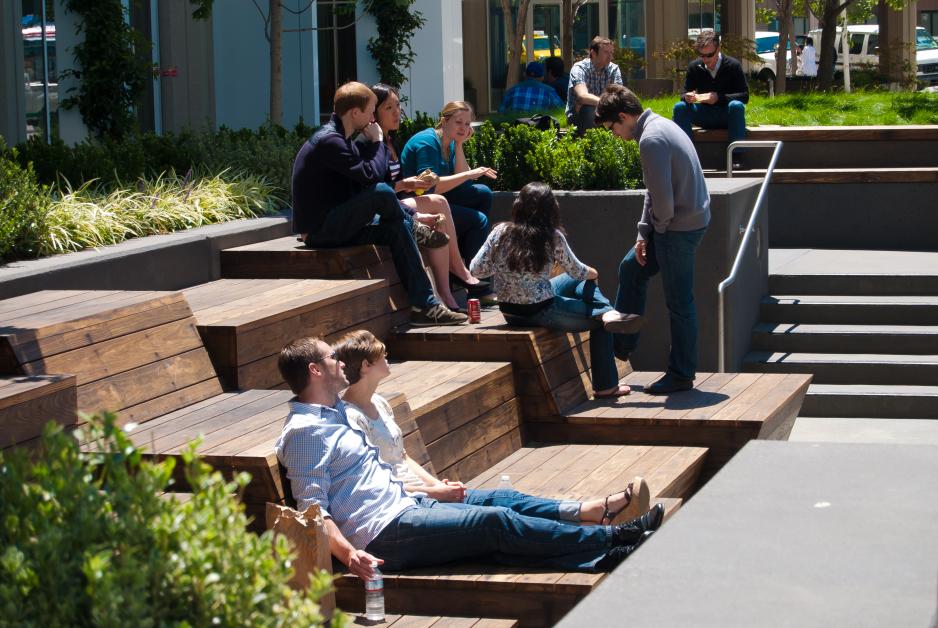
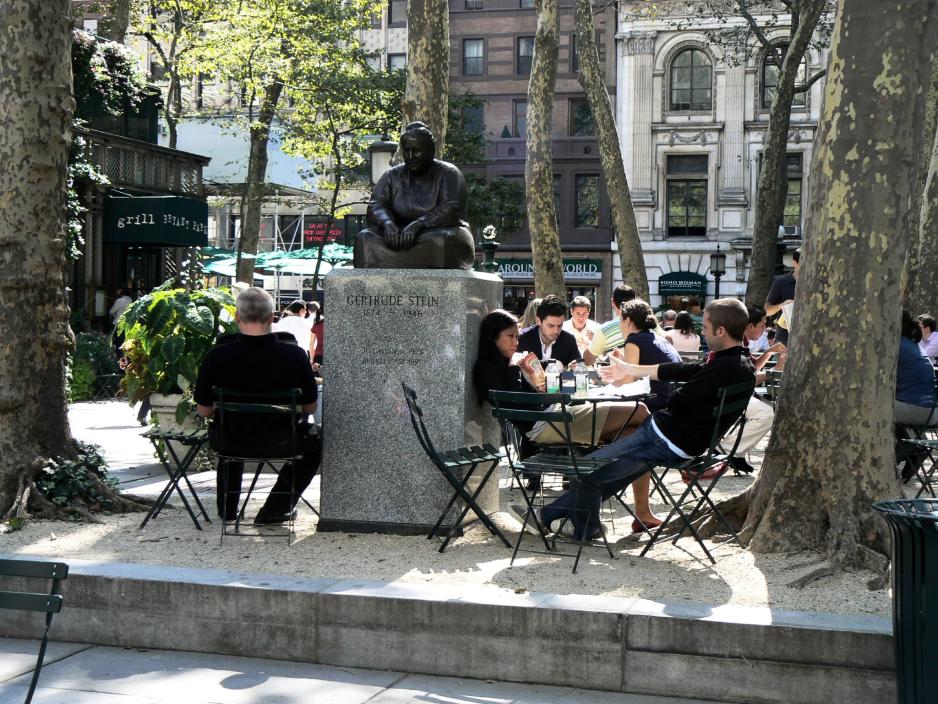
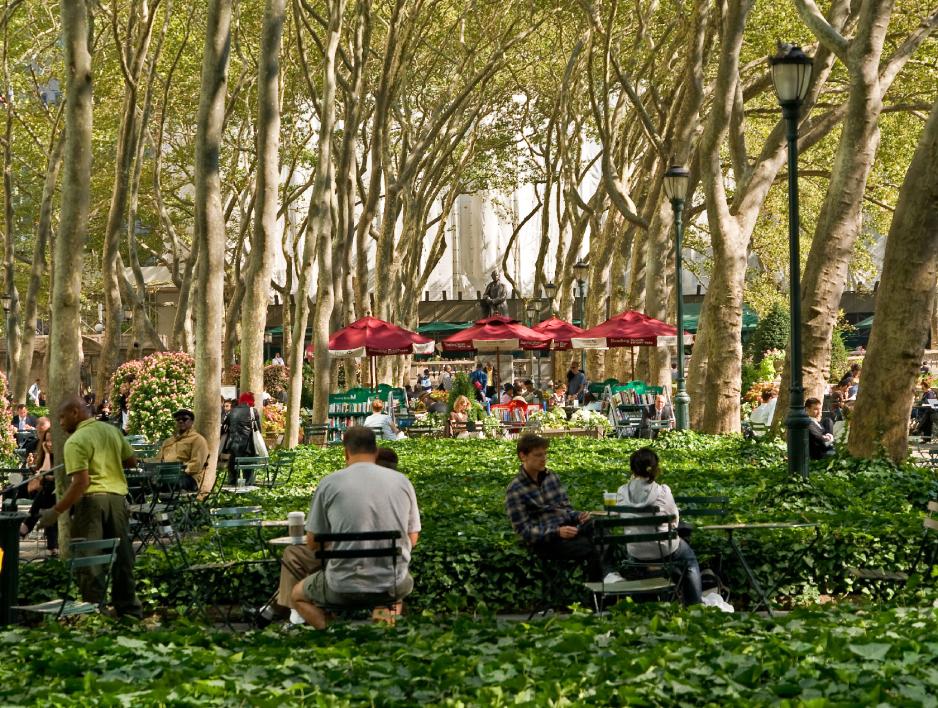
Ensure open spaces are sized relative to their context.
Size open spaces based on their intended programming. Parks that are larger than needed for their intended programming can be difficult...
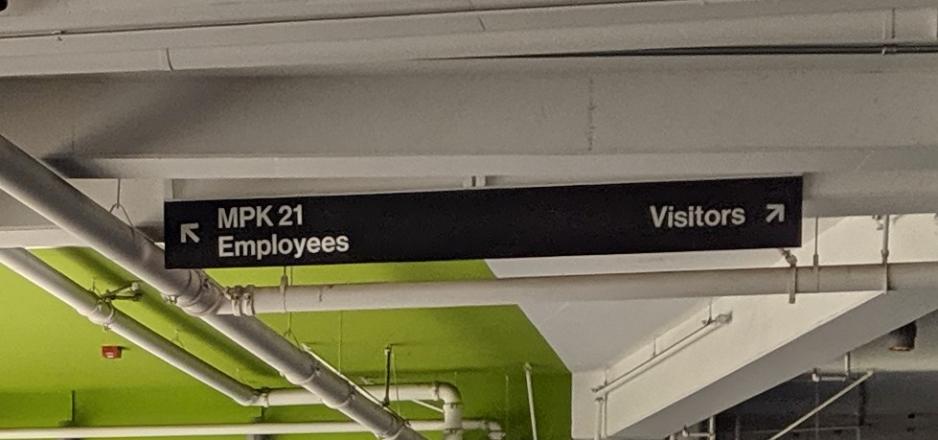
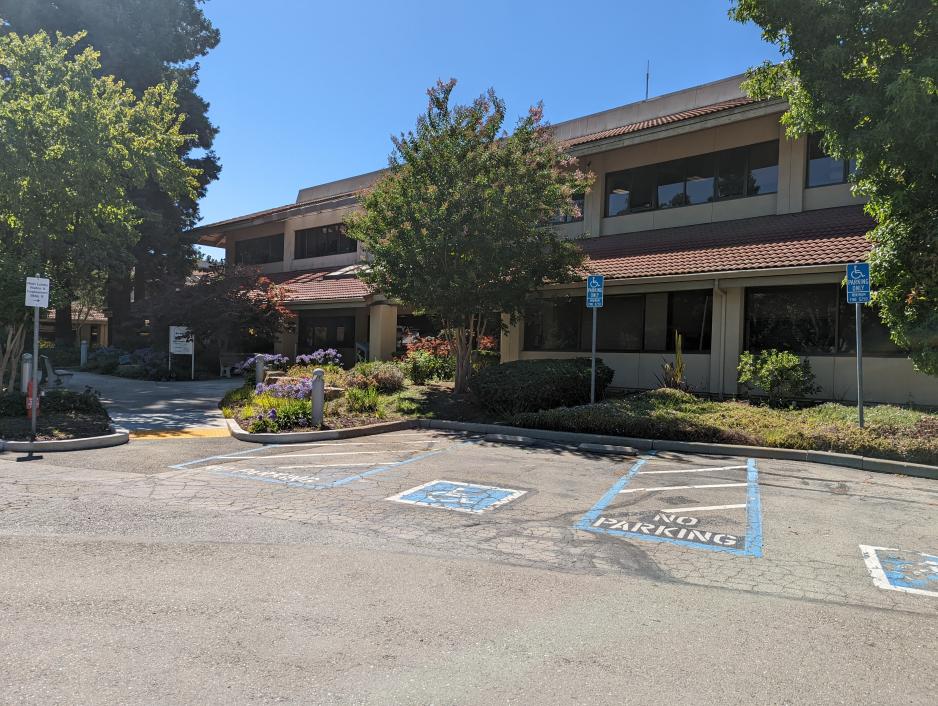
Locate ADA accessible parking spaces closest to an accessible entrance or dispersed at multiple accessible entrances. Provide clear accessible routes with wayfinding from all ADA accessible...
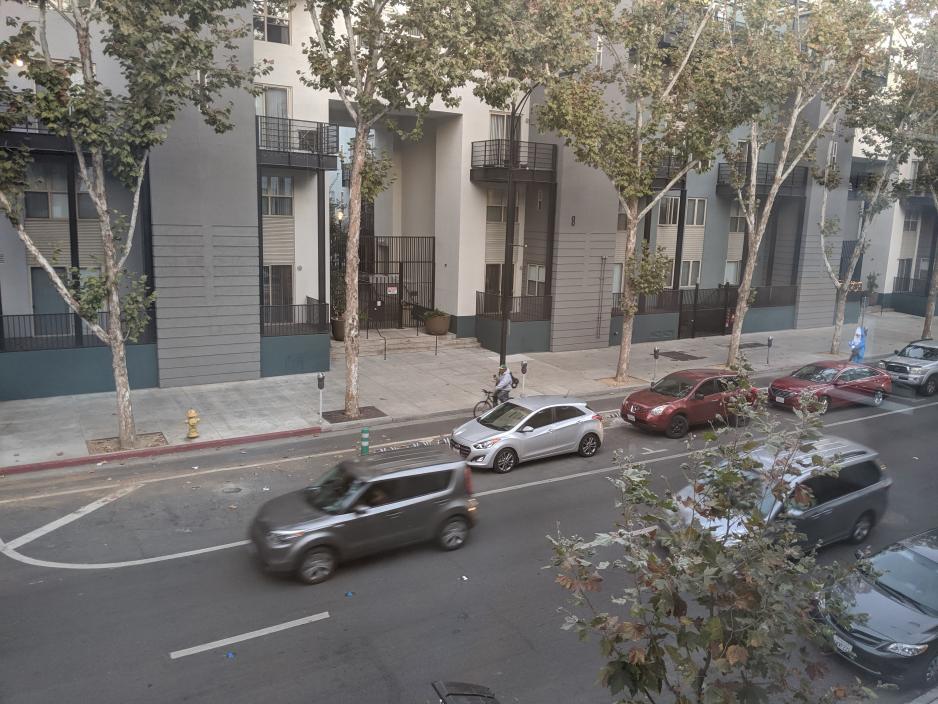
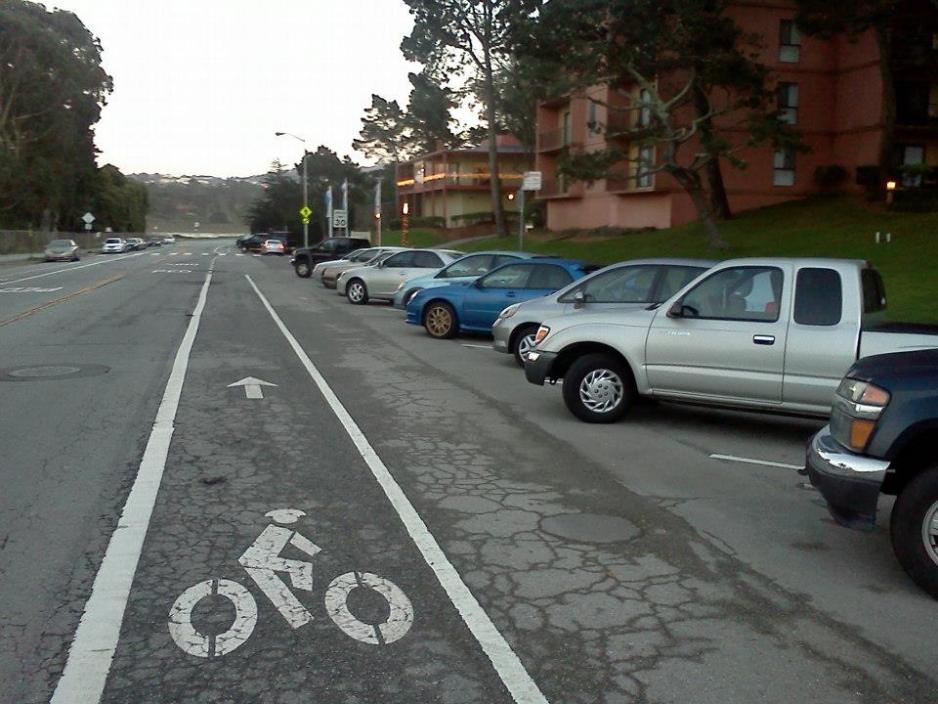
Provide back-in angled parking in conjunction with bicycle lanes or provide a separated bikeway between the parking and the sidewalk. Avoid head-in angled parking because drivers entering and...
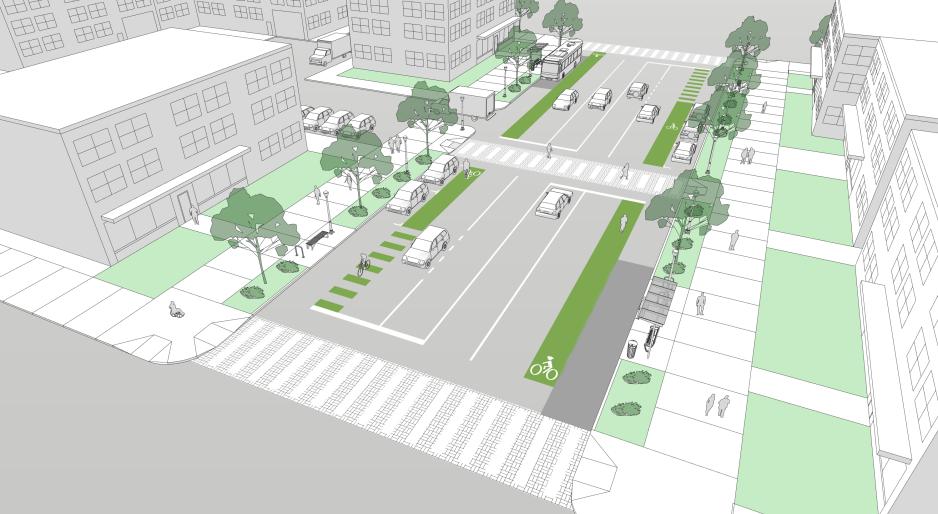
Higher priority design elements and traffic management features on business park streets support efficient movement of vehicles while supporting pedestrian and bicycle activity typical of a campus.
...
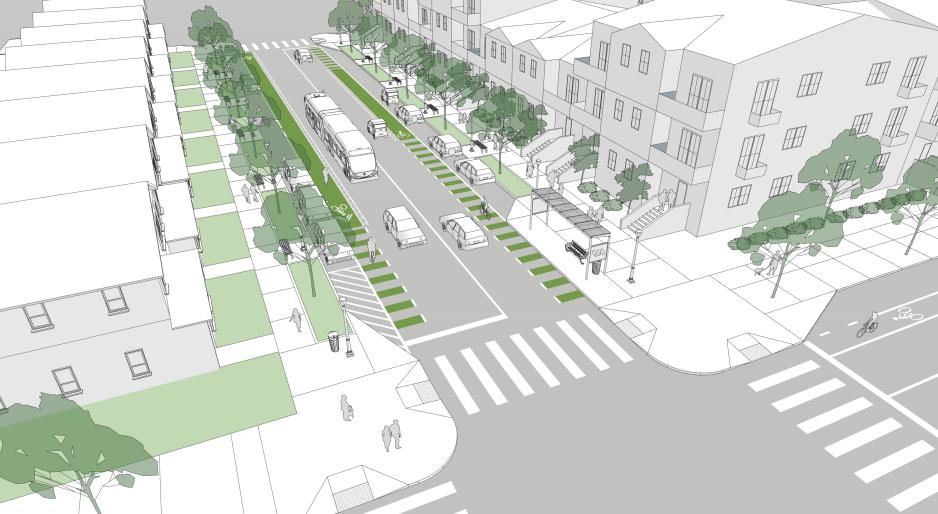
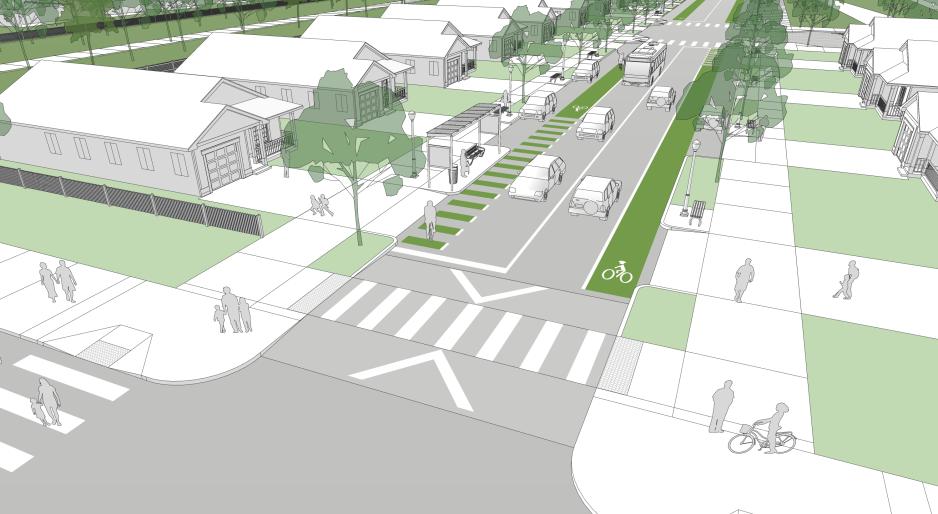
Higher priority design elements and traffic management features on the residential arterial streets support neighborhood livability and land access.
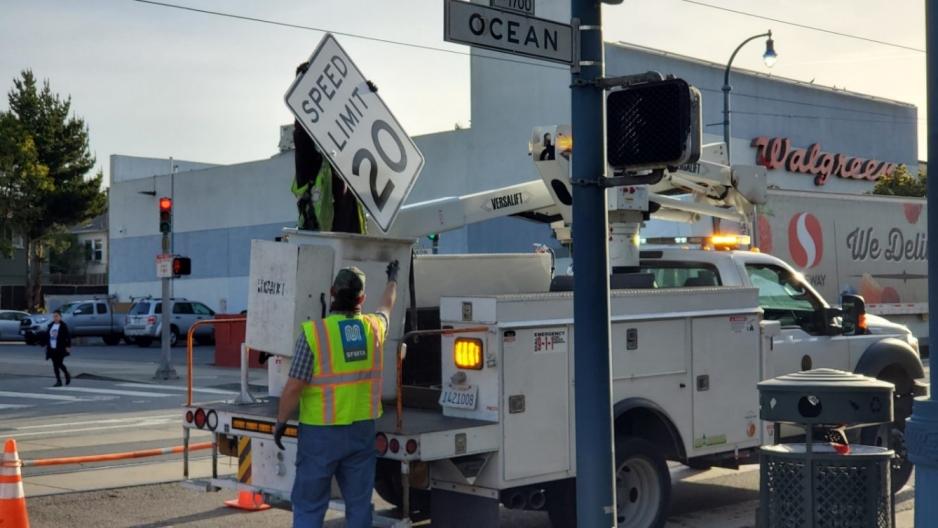
San José, CA - Downtown Better Bikeways Quick-Build Network (2018 to 2019)
In 2018, inspired by international examples, San José began implementing a network of connected low-stress bikeways...
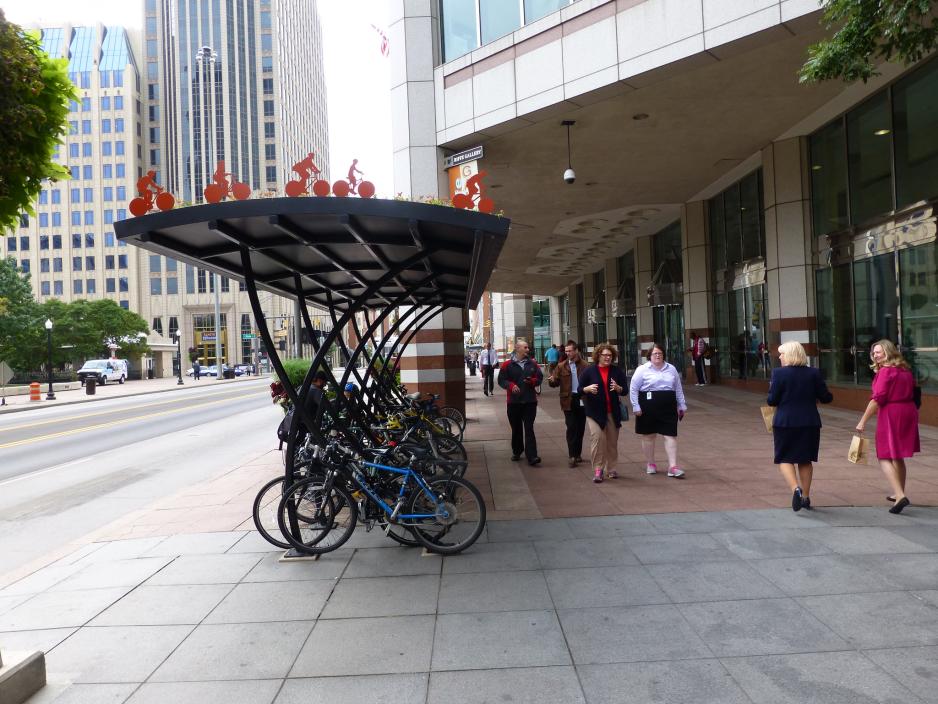
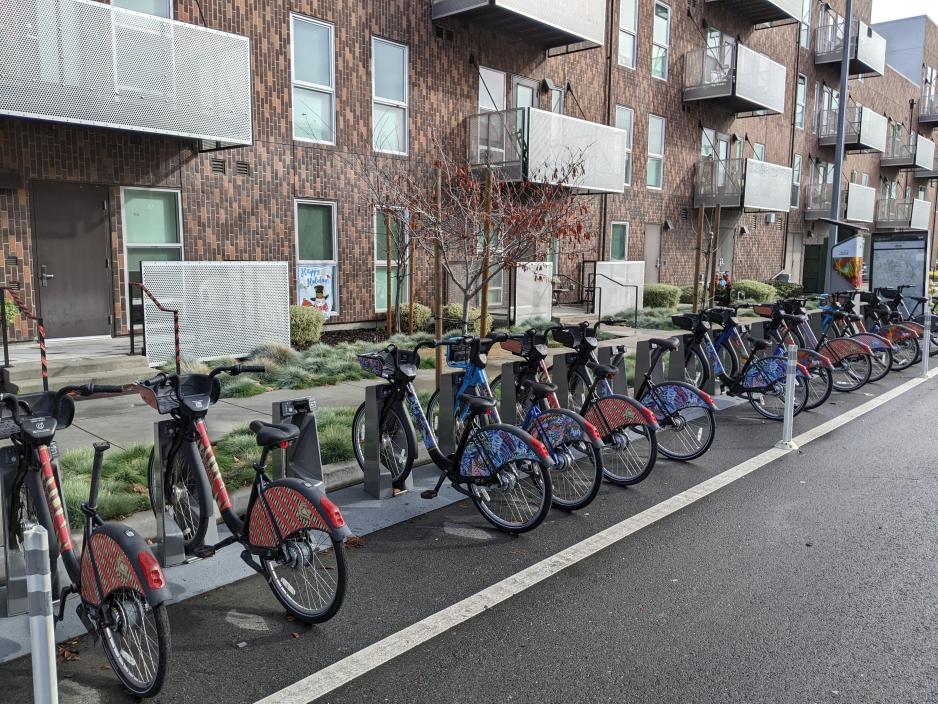
Provide separate space close to building entrances or in other designated and intuitive locations for shared bicycle and scooter parking that is outside a pedestrian path of travel.
...
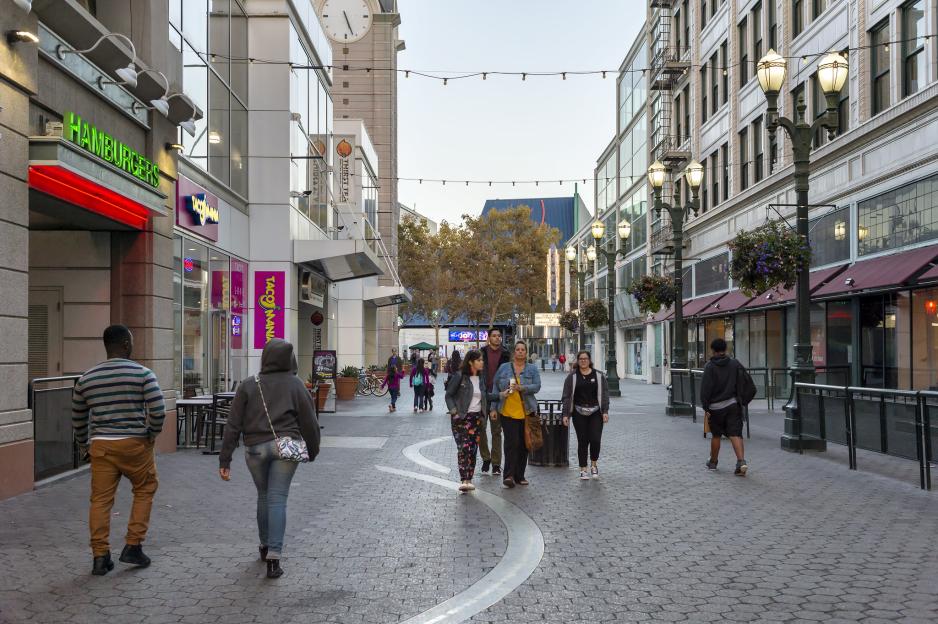
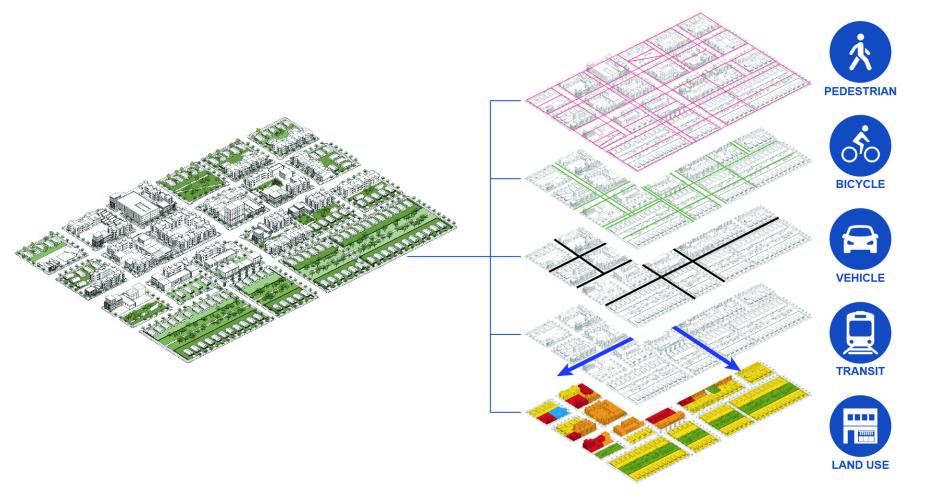
Create a connected network of streets, sidewalks, and bikeways.
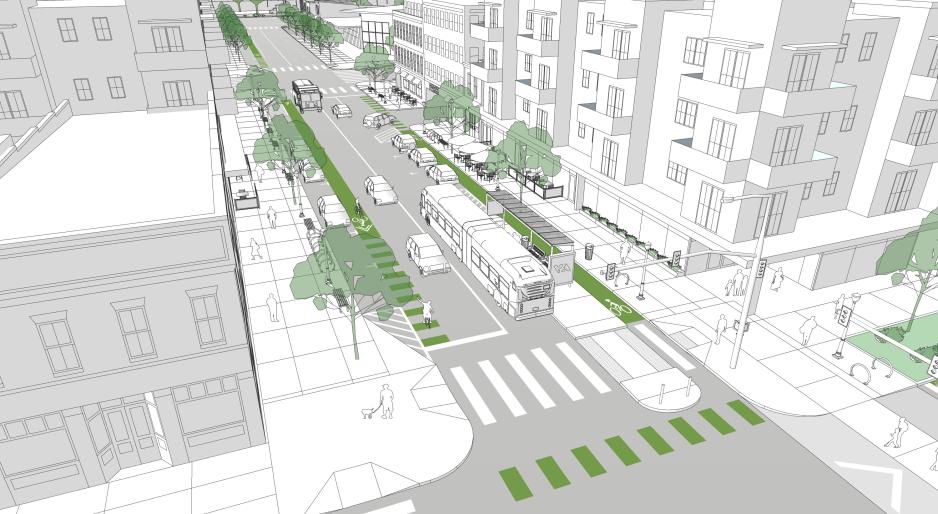
Higher priority design elements and traffic management features on mixed-use streets support a thriving pedestrian environment.
With completion of initial assessments, projects can move into the corridor planning stage. Corridor planning studies consist of several distinct phases, with each typically taking one or more years...
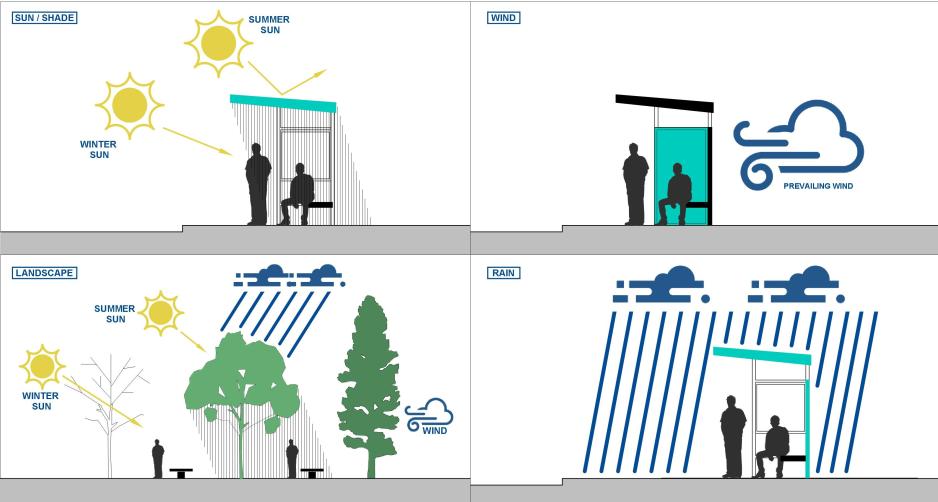
Ground floor facades on major streets should incorporate continuous climate and weather protection. Weather protection canopies should be functional, of high design quality, and contribute to the...

Washington State, USA - DOT Moving Washington Program
The Washington State Department of Transportation (WSDOT) is considered a national model for its comprehensive...